
Cross-Border Medical Journey | Cambodian Patient Finds Answers to Longstanding Cardiovascular and Cerebrovascular Problems in Guangzhou
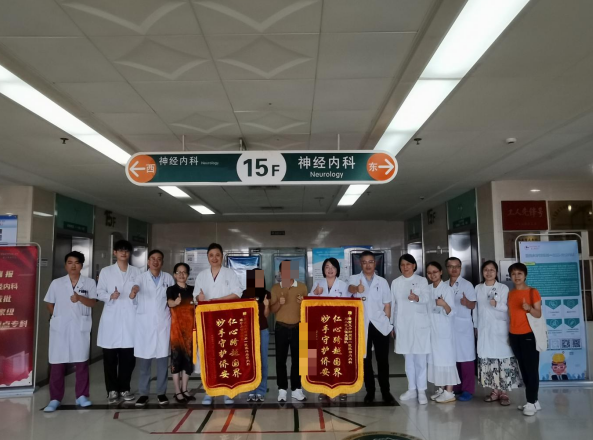
“I never expected to receive such precise and efficient treatment in another country. We will remember the professionalism and compassion of Chinese doctors for the rest of our lives.” Mr. Hong, a judge from Cambodia, and his wife held the hands of medical staff from the neurology and cardiology departments at the First Affiliated Hospital of Jinan University with deep gratitude. For years, Mr. Hong had suffered from “cerebrovascular stenosis with angina.” Despite seeking care in many places, he had not received standardized treatment, and recurrent symptoms made normal work and daily life difficult. After learning that the First Affiliated Hospital of Jinan University, as a hospital affiliated with an overseas Chinese university, provides customized medical services to overseas Chinese and international visitors, he crossed the border with hope and visited the neurology department.
Recognizing the complexity and urgency of Mr. Hong's condition, the neurology department promptly activated a multidisciplinary collaboration mechanism and formed a dedicated team with cardiology. “The patient has underlying cerebrovascular stenosis together with angina. A single department cannot fully address the risks; the heart and brain must be treated together.” The team quickly developed a plan and decided to perform simultaneous cerebral and coronary angiography. This technique clearly shows cerebrovascular and cardiovascular lesions at the same time, reducing the burden and risks associated with repeated examinations and providing an efficient approach for complex cardiovascular and cerebrovascular disease.
On the day of the procedure, the two teams worked closely together. Neurology precisely completed cerebral angiography to identify the location and severity of the stenosis, while cardiology simultaneously assessed the cardiovascular system and quickly identified the cause of the angina. The two teams communicated in real time and efficiently completed cardiovascular and cerebrovascular assessment and targeted treatment. Afterward, they tailored a “secondary prevention plan” based on Mr. Hong's lifestyle and local medical resources, including medication guidance, dietary advice, and rehabilitation exercises.
“From admission to the treatment plan, everything was straightforward. The doctors even clearly explained how to adjust my medication and which indicators to monitor regularly after I return to Cambodia.” Holding the plan, Mr. Hong said, “They did more than treat my illness—they gave me peace of mind for my long-term health.”
At discharge, Mr. Hong volunteered: “I will come back here for a check-up every year, and I will also recommend this hospital to Cambodian relatives and friends who need care. China's medical technology gives me confidence, and the hospital's service makes me feel truly cared for.”